Programme pillar · Wema Centre Trust
Healthcare & Rehabilitation Services
Recovery is patient work, we're here for the long arc.
Medical care, recovery from substance misuse, and psychosocial support for children, families and street-connected adults across Mombasa.
Why this matters
The need we're responding to.
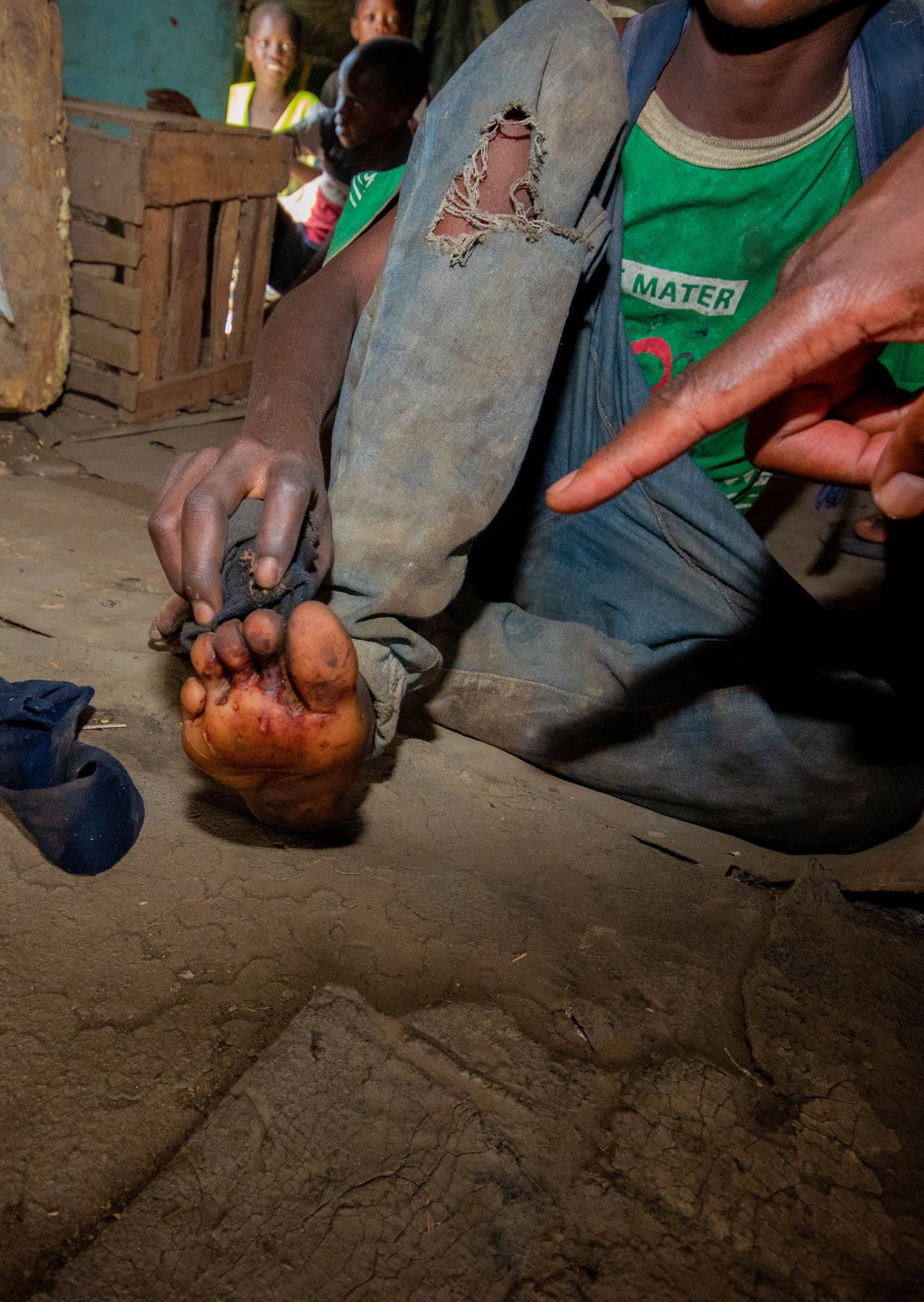
This page includes one image showing the conditions some of the children we work with face on the streets. We've kept it small and in context. If you'd rather skip it, that's OK, the rest of the page works fine.
Street life is hard on the body. The children we meet often arrive with untreated infections, chronic injuries, malnutrition and the weight of substance misuse, most commonly inhalants, glue and khat. Without healthcare and rehabilitation, every other programme we run would be building on sand.
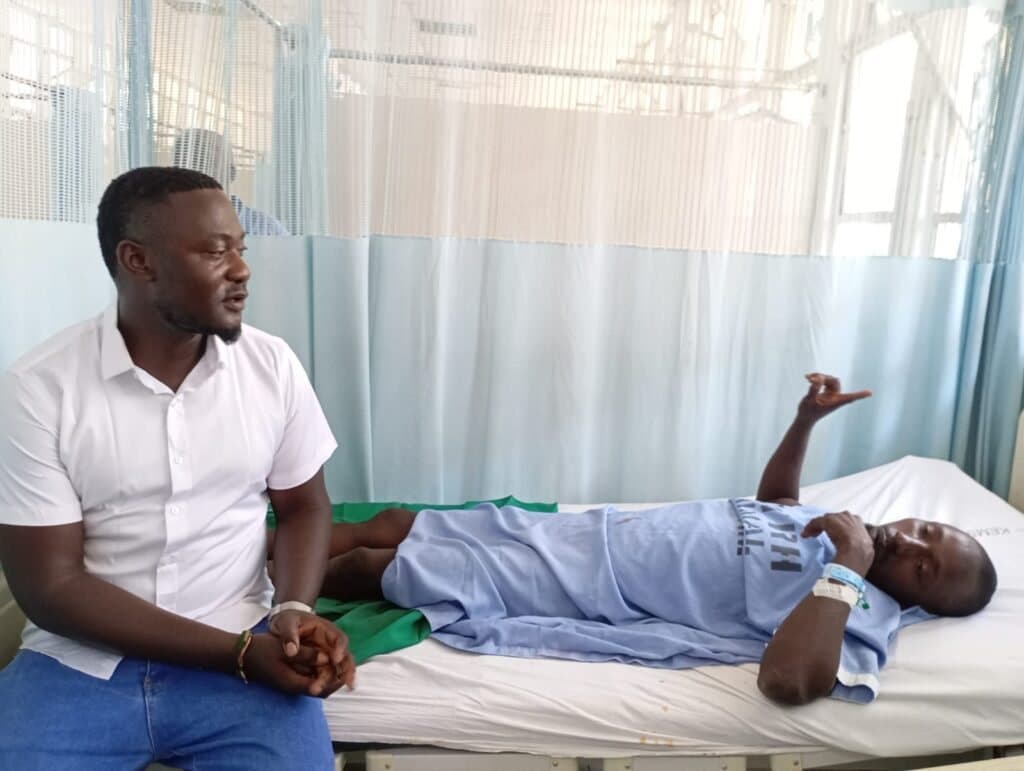
So we start here. We work alongside Coast General Hospital, county clinics, partner GPs and counsellors to make sure every child gets a full health assessment within their first 72 hours with us, and we stay with them through the months of recovery that follow.
What we do
The work, in four parts.
Medical assessment & treatment
Initial triage on intake, ongoing primary care, specialist referrals, dental care and vision screening.
Substance-misuse rehabilitation
Clinical detox where needed, group and individual counselling, and step-down peer support over the long arc.
Psychosocial support
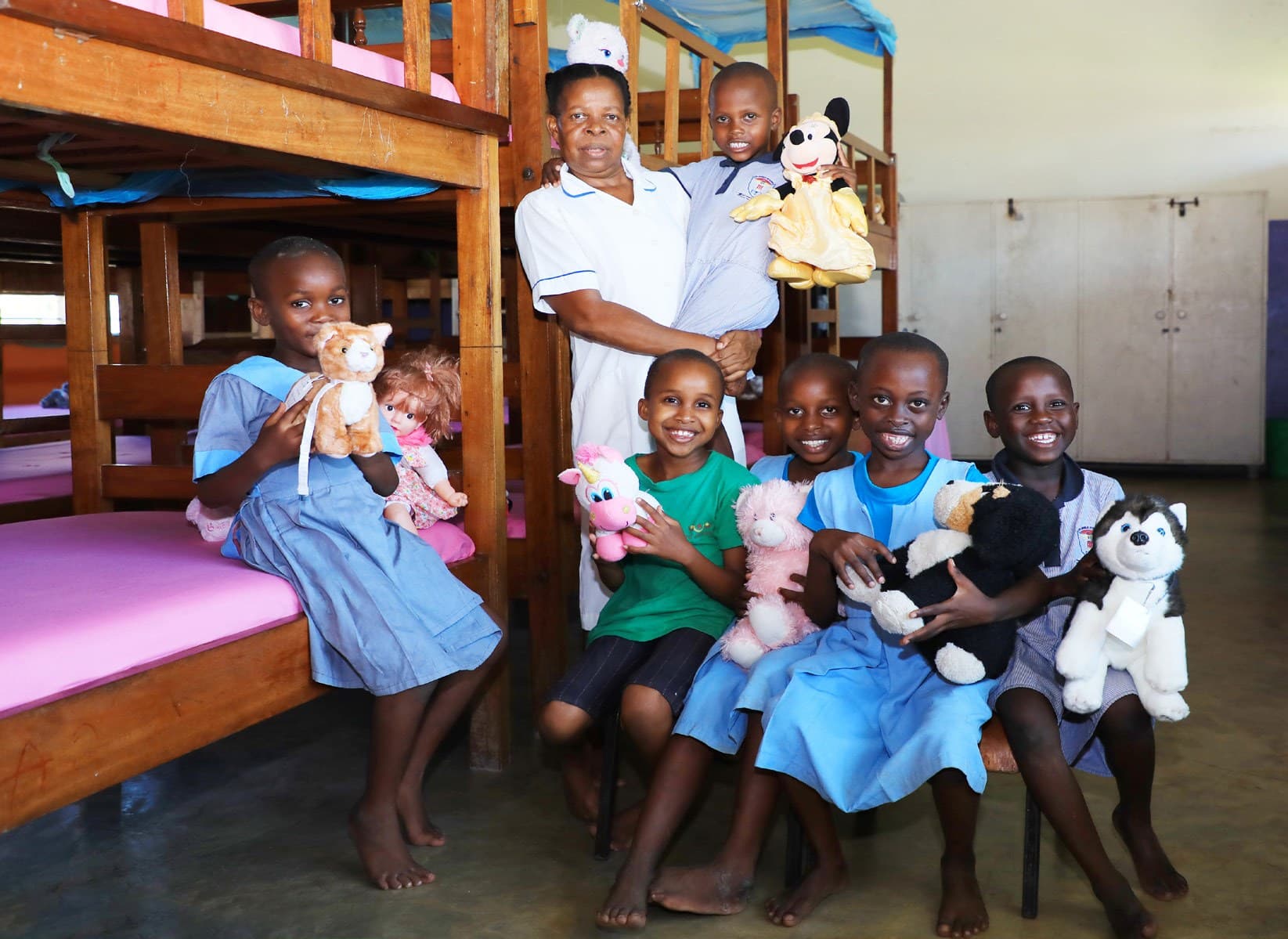
Trauma-informed therapy, play and art-based interventions for children, and family counselling for those reuniting.
Nutrition & health education
Three balanced meals, monthly growth monitoring, and age-appropriate sessions on hygiene, sex education and addiction recovery.
What makes our psychosocial support different
More than treatment, a place to shine.
Clinical care heals the body. But the deeper work of rehabilitation is rebuilding confidence, identity and belonging, and that happens when a child discovers they are good at something. So our psychosocial support reaches well beyond counselling into structured, competitive programmes where children train, perform and represent Wema alongside their peers.
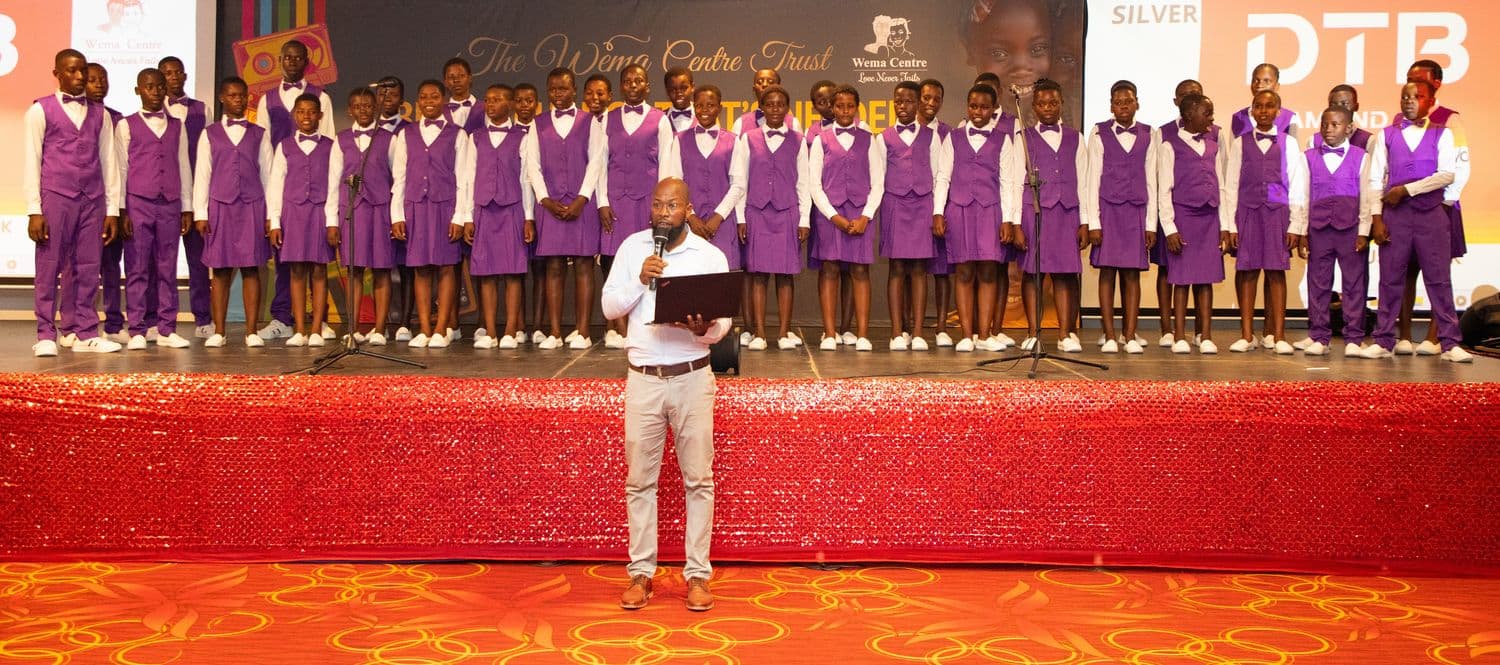
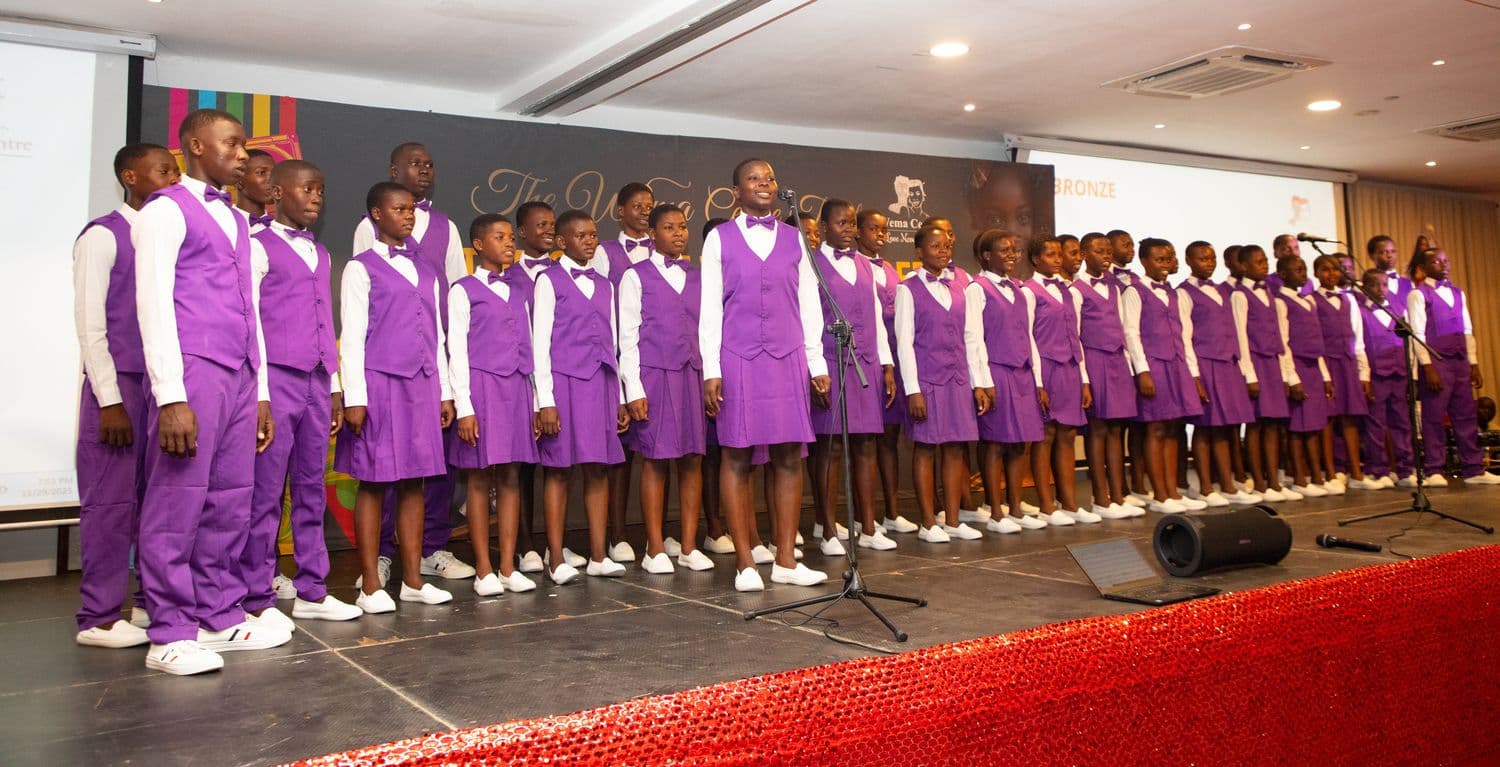
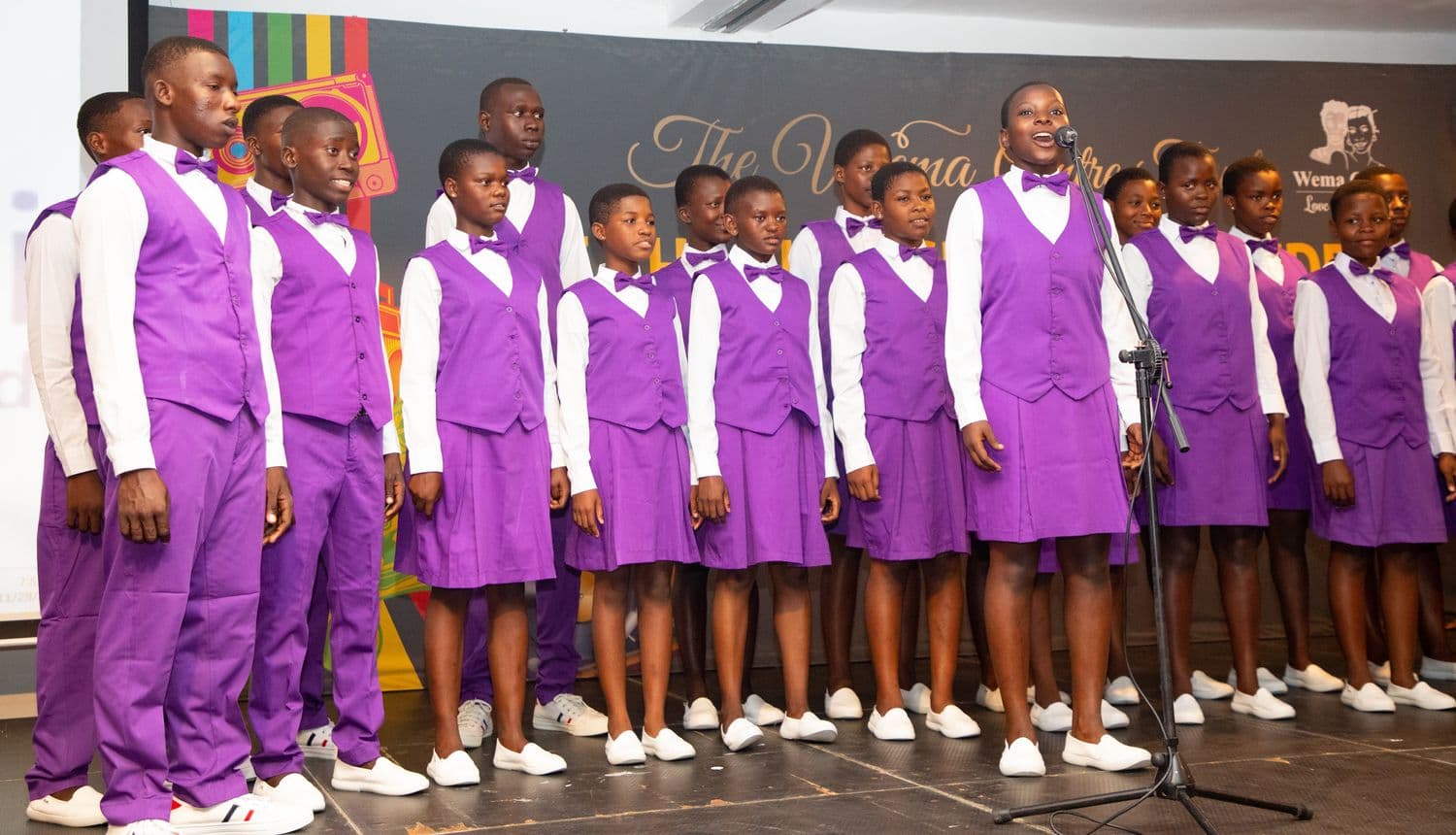
The results speak for themselves: our choir now performs at national music festivals, while our brass band, chess players and football teams give children discipline, teamwork and the quiet pride of standing on a public stage as themselves.
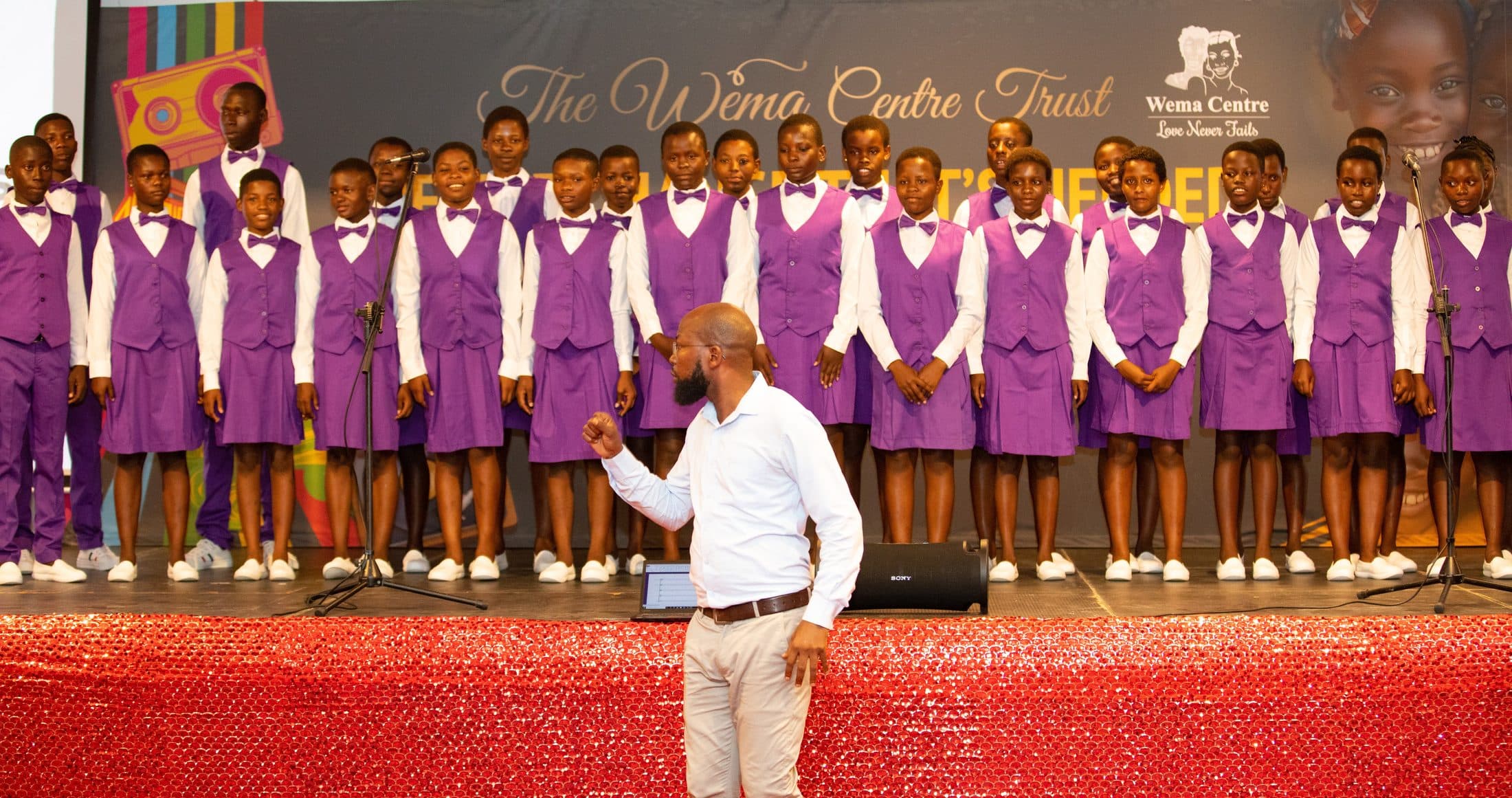
Choir
National festivalsOur flagship ensemble rehearses year-round and competes at national music festivals, turning shy newcomers into confident soloists.
Brass band
Brass and percussion training that teaches discipline, listening and the joy of making music together as one section.
Chess
Strategy, patience and focus. Chess gives children a calm, competitive arena to sharpen their minds and back themselves.
Football
Teams, fixtures and fair play. Football builds fitness, teamwork and the everyday belonging of being part of a squad.
How we work
Principles we hold.
Consent at every step
Treatment plans are written with the child, not for them. Where children are too young to consent, we work with guardians or court-appointed advocates.
Continuity over capacity
We'd rather walk one child through a full year of rehabilitation than rush ten through six weeks. Recovery rates climb when caseworkers stay constant.
Family-aware where possible
Most children leave Wema and return to families. We design care so that what they learn here transfers to a home, not just a ward.
Impact
What we're working toward.
Numbers pending Wema confirmation before launch.
- Children rescued and assessed since 1993
- 2,400+
- Time from intake to full health assessment
- 72hrs
- Of children complete primary recovery (target)
- ≥85%
Children rescued and assessed since 1993
Time from intake to full health assessment
Of children complete primary recovery (target)
Support this work
Help us keep going.
Donations, volunteers and partnerships keep Healthcare & Rehabilitationrunning every day of every year.
The other three pillars
Programmes work together.
Education & Skills Development
School re-entry, scholarships, vocational training and mentorship that turn potential into livelihoods.
Read moreSafety, Protection & Care Support
Rescue, safe shelter, child protection and family-based reintegration aligned with Kenya's reform care strategy.
Read moreInstitutional Development & Sustainability
Strong governance, ethical partnerships and resilient systems so this work lasts beyond any one season.
Read more